IIJS Bharat 2026 Closes on a High, Putting Trust, Innovation and the Next Generation in Focus
– Sanchit Mathur –
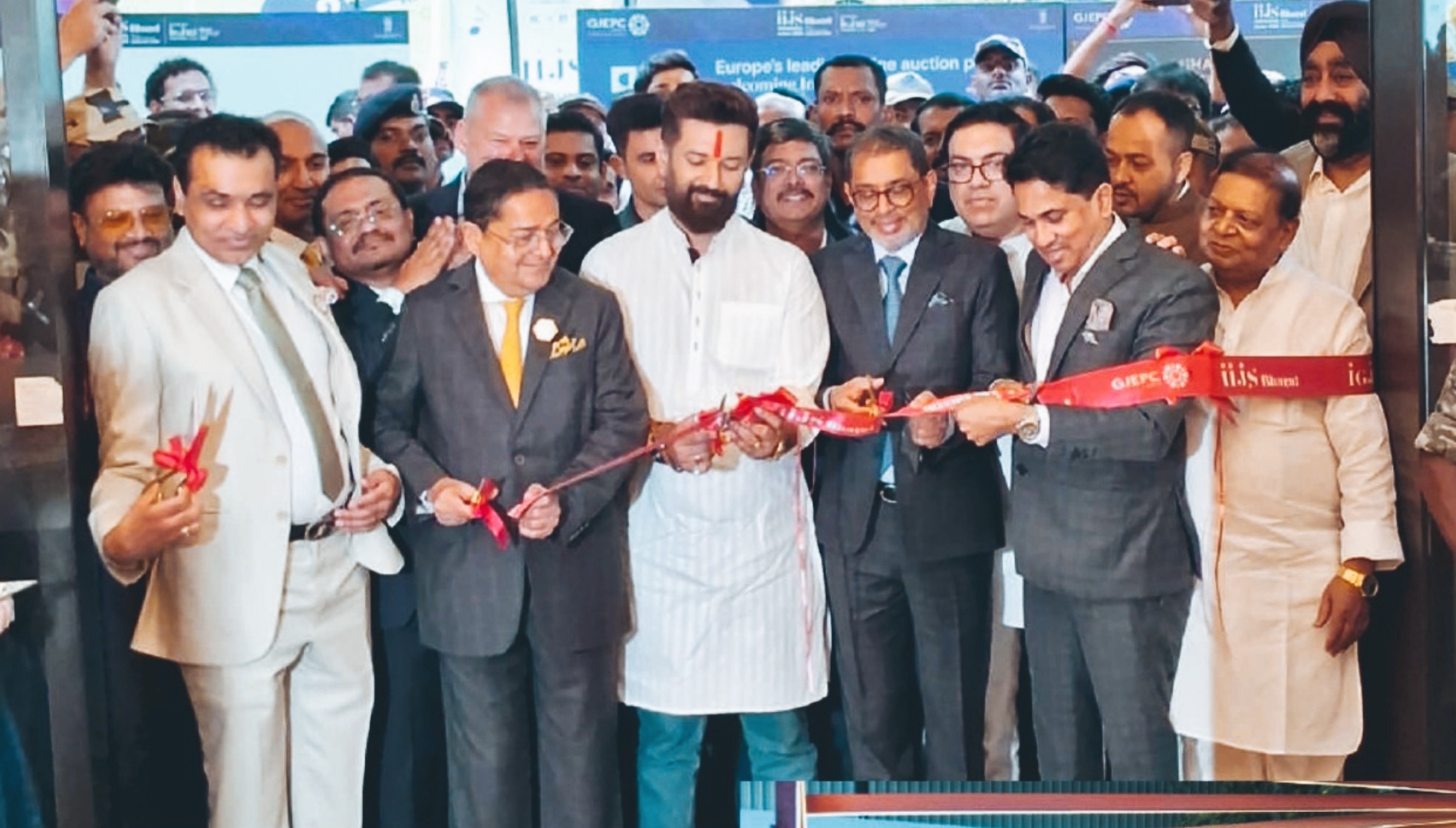
Mumbai : The curtains came down on IIJS Bharat Premiere 2026 with the Indian gem and jewellery industry looking beyond transactions towards a bigger opportunity — building a stronger, more trusted and globally competitive jewellery ecosystem.
Held across the Jio World Convention Centre from August 5 and the Bombay Exhibition Centre, NESCO, from August 6, the five-day showcase brought together manufacturers, retailers, exporters, designers, technology companies, educators and international buyers under one roof.
The 42nd edition of IIJS reflected how rapidly the industry is evolving. Alongside jewellery collections and sourcing opportunities, the spotlight was firmly on technology, precision manufacturing, automation, design innovation, education and new-age business practices.
According to GJEPC, the exhibition featured more than 2,100 exhibitors, over 3,600 booths and approximately 1.35 lakh square metres of exhibition space. More than 50,000 trade visitors and buyers and representatives from over 80 countries participated in the show.
Over its 25-year journey, IIJS has grown from a trade exhibition into an important global meeting point for India’s jewellery industry — connecting Indian craftsmanship and manufacturing capabilities with international markets.
From Indian Craftsmanship to Global Leadership: Kirit Bhansali
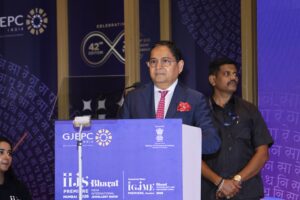
For GJEPC Chairman Kirit Bhansali, the larger story behind IIJS is India’s transformation from a leading jewellery producer into a potential global jewellery powerhouse.
Bhansali said, “IIJS Bharat has become much more than a business platform. It is a showcase of India’s manufacturing strength, craftsmanship, design capabilities and readiness to serve global markets. The conversations and connections created here can open new doors for Indian jewellery exports.”
He believes emerging opportunities in international trade, policy reforms and the expansion of India’s role in the rough diamond ecosystem could further strengthen the country’s position on the global jewellery map.
Gold’s Next Chapter – Beyond Jewellery to Wealth : Sachin Jain
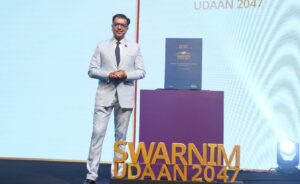
World Gold Council Regional CEO, India, Sachin Jain believes India’s relationship with gold is entering a new phase.
“Gold in India has always carried emotional and cultural value, but its role as a financial asset is becoming increasingly important. With changing global dynamics, gold continues to remain relevant for consumers and investors alike,” Jain said.
According to him, the long-term strength of India’s gold market will come from the combination of tradition, investment demand and the country’s expanding economic aspirations.
Trust Is Becoming the New Hallmark: Kaushalendra Sinha
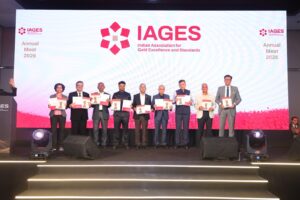
As the industry becomes more organised, trust and transparency are emerging as critical competitive advantages.
IAGES CEO Kaushalendra Sinha said the next phase of growth would require businesses to place quality and responsible practices at the centre of their operations.
“Hallmarking helped create greater confidence around gold purity. The next opportunity is to build a wider culture of quality, transparency and ethical business practices across the jewellery ecosystem,” Sinha said.
The presence of IAGES at IIJS and its accreditation initiatives highlighted the industry’s growing focus on measurable standards and consumer confidence.
A New Generation Is Entering the Jewellery Story: Shikha Jain

The industry’s future is also being shaped by a generation that views jewellery as a professional and knowledge-driven sector.
HRD Antwerp Marketing Head Shikha Jain said young people are increasingly exploring careers in gemology, diamond grading, jewellery design and technology.
“Young professionals today want more than a traditional entry into the jewellery business. They want knowledge, specialised skills and global exposure. This shift can bring fresh thinking and new possibilities to the industry,” she said.
Knowledge Will Shape the Next Jewellery Economy: Amit Pratihari
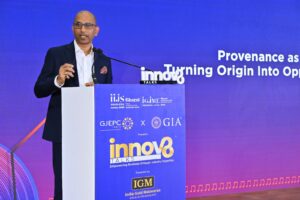
GIA’s Amit Pratihari believes education will become one of the industry’s strongest growth engines.
“Young people are increasingly looking at gemology, diamonds and jewellery as areas where they can build expertise and create long-term careers. A skilled and educated workforce will be critical to India’s ambition of becoming a global jewellery leader,” he said.
The Closing Message : Bigger Than Business
The closing of IIJS Bharat 2026 was therefore not merely the end of another trade show. It marked a broader conversation about where India’s jewellery industry goes next.
From craftsmanship to technology, from transactions to trust, and from traditional business models to a new generation of skilled professionals, the show reflected an industry preparing for its next big chapter.
If the response at IIJS is any indication, India’s jewellery story is no longer just about making beautiful products. It is increasingly about building global brands, trusted businesses, skilled talent and a world-class jewellery ecosystem — Made in India, and ready for the world.